
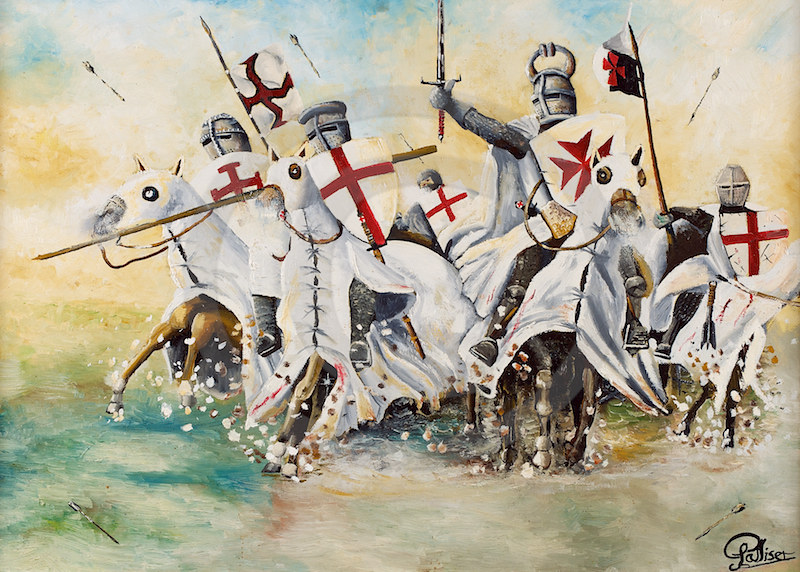
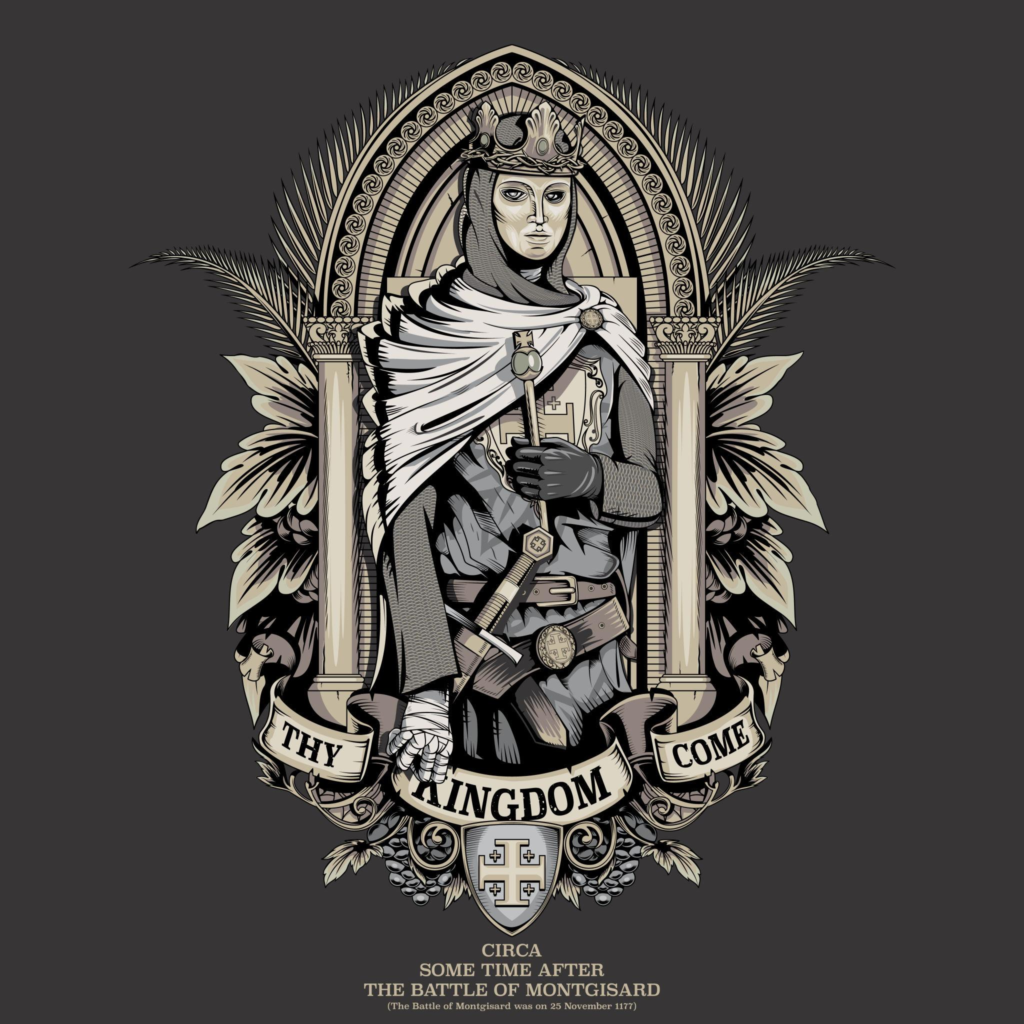
The Boy King in a Failing Body
Jerusalem in the 12th century was not merely a city — it was the nerve center of faith, politics, and ambition for three continents. Whoever ruled it stood at the crossroads of Europe, Africa, and Asia. Pilgrims flooded its gates. Armies marched toward it. Empires schemed around it.
And in 1174, that fragile kingdom was placed in the hands of a thirteen-year-old boy slowly dying of leprosy.
That boy was Baldwin IV of Jerusalem.
For FinkleTrek readers, this is not just medieval drama. This is a trek into the geography of power — into limestone hills, desert trade routes, and fortress cities that decided the fate of civilizations.
A Kingdom Balanced on a Sword’s Edge
To understand Baldwin, you must understand the land he ruled.
The Kingdom of Jerusalem was founded in 1099 during the First Crusade. European knights carved out a Christian state in the Levant — surrounded by Muslim powers who had no intention of letting it remain.
By Baldwin’s birth in 1161:
- The kingdom stretched from modern-day Israel into parts of Lebanon and Jordan
- Coastal cities like Acre and Tyre were economic lifelines
- Inland strongholds guarded desert approaches
- Trade flowed between East and West
But the kingdom was vulnerable. It relied on alliances, fortresses, and the sea. It was wealthy but thinly manned.
And rising in Egypt and Syria was a leader who would change the balance of power:
The Diagnosis That Changed Everything
As a child, Baldwin was tutored by William of Tyre, a scholar and future archbishop. William noticed something unusual: Baldwin felt no pain when his arm was pinched.
It was leprosy.
In the medieval world, leprosy was both a physical and social death sentence. It disfigured the body. It terrified the population. It suggested divine punishment in the minds of many.
Yet Baldwin was not hidden away.
He trained in horsemanship. He studied politics. He learned strategy. He understood geography.
This is important: he did not grow into a passive invalid king. He grew into a commander.
Crowned at Thirteen
When Baldwin’s father died, the boy became king in 1174.
Imagine this scene:
Jerusalem’s Church of the Holy Sepulchre.
Nobles uncertain.
Enemy forces gathering.
A sick teenager crowned ruler of one of the most contested territories on Earth.
He did not have the luxury of weakness.
Internally, factions competed for influence:
- Noble families with competing visions
- Military orders like the Knights Templar
- Regents trying to control policy
- Courtiers eyeing succession
Externally, Saladin was consolidating Muslim territories under one banner.
Baldwin’s reign would be defined by one reality: survival.
The Geography of Threat
Saladin’s strategy was methodical.
He unified Egypt and Syria — encircling Jerusalem from north and south. Control of these regions meant:
- Access to the Nile’s wealth
- Syrian cavalry strength
- Control of caravan trade routes
- Strategic depth
The Kingdom of Jerusalem, by contrast, was narrow and exposed.
If you visit the region today, the geography makes this clear. The coastal plain offers access but little natural defense. The Judean hills provide strongholds — but limited manpower makes them hard to defend long-term.
Baldwin understood this. He moved forces quickly. He relied on fortifications. He used timing rather than brute strength.
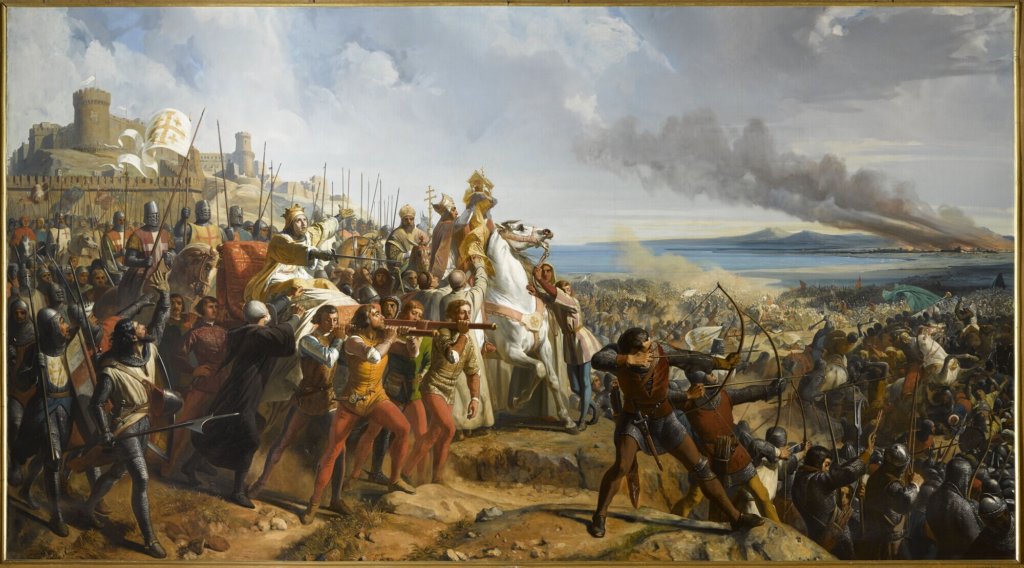
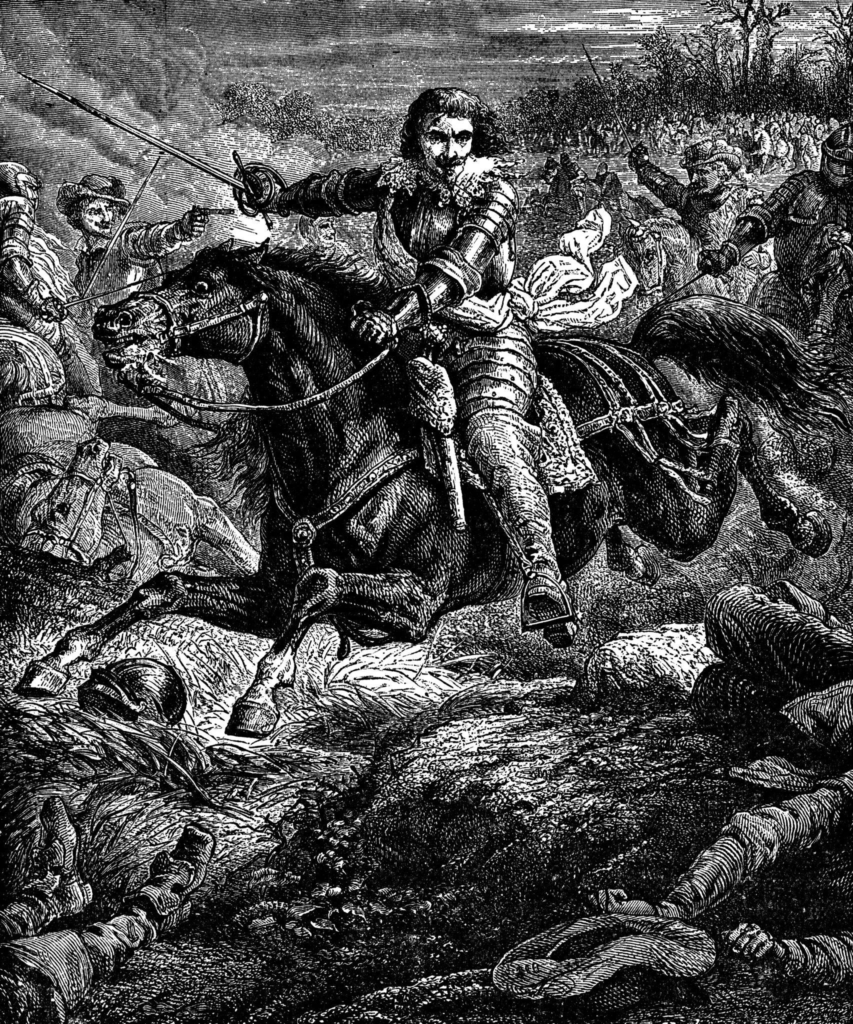
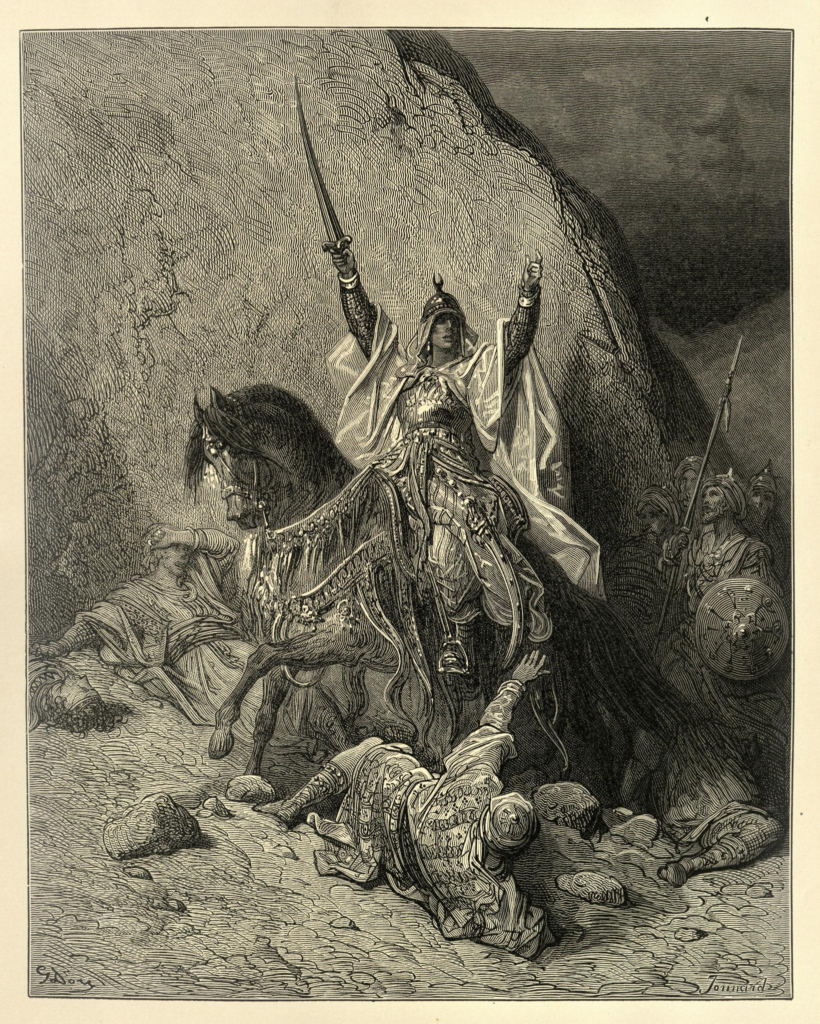
The Battle That Defined Him: Montgisard (1177)
In 1177, Saladin invaded while Baldwin was still a teenager.
Saladin commanded a large, experienced army. Baldwin commanded fewer men — and his health was deteriorating.
Near Ramla, at a place called Montgisard, Baldwin made a bold decision.
Instead of retreating behind walls, he attacked.
The Crusader charge broke Saladin’s forces in a stunning victory. Saladin barely escaped capture.
This was not luck. It was calculated aggression at the right moment.
- Montgisard proved Baldwin was not symbolic — he was strategic
- It temporarily stabilized the kingdom
- It elevated his reputation across Europe
- It demonstrated that Saladin was not invincible
For FinkleTrek readers, note the terrain: rolling hills, coastal approaches, and strategic crossroads near modern-day Israel’s central region. Geography mattered. Timing mattered more.
Leadership in Decline
Leprosy is relentless.
As Baldwin aged into his early twenties, his condition worsened. He lost mobility. His hands deteriorated. He was sometimes carried on a litter into battle.
Yet he continued governing.
His greatest struggle may not have been Saladin — but succession.
He could not produce an heir. The question of who would rule after him destabilized the court.
- His sister Sibylla’s marriage became political chess
- Rival factions backed different candidates
- Ambition corroded unity
This internal division weakened Jerusalem far more than external assault.
There’s a lesson here: no kingdom collapses from the outside first. It fractures internally.
The Mask and the Myth
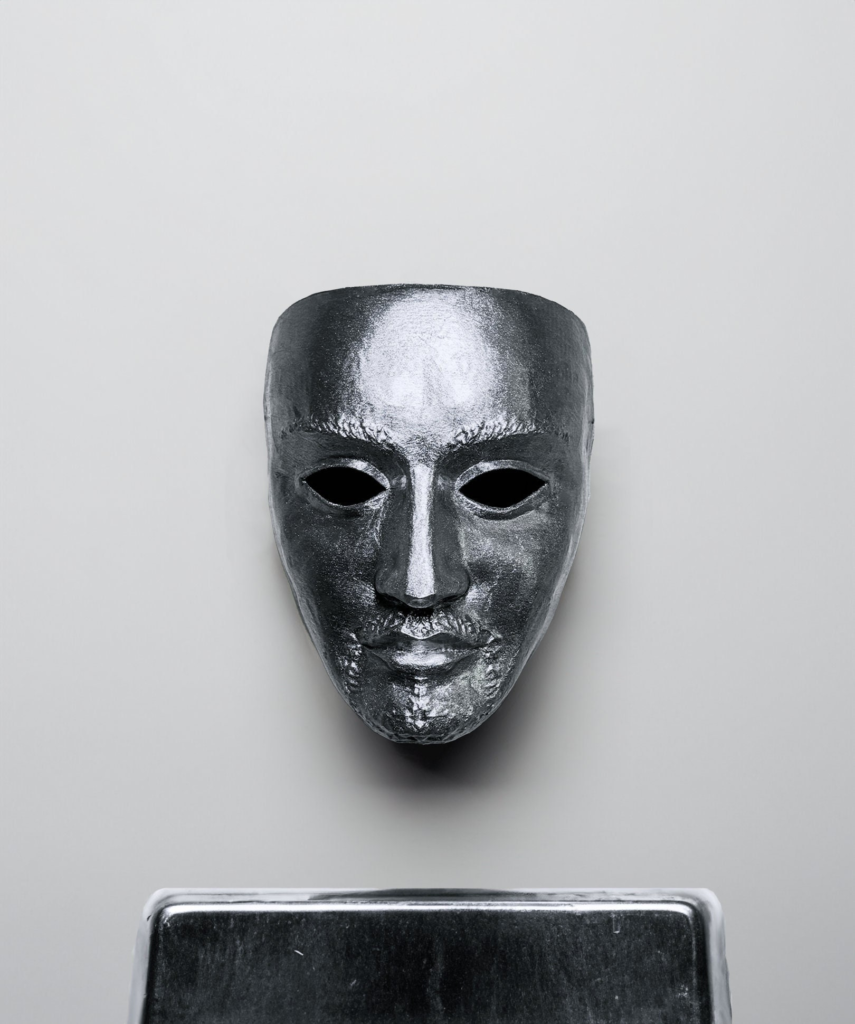
In the film
Kingdom of Heaven
Baldwin is depicted wearing a silver mask.
Historically, we do not know if he wore such a mask. But symbolically, it resonates.
The mask represents:
- Authority beyond appearance
- Strength beyond illness
- Leadership beyond ego
Whether literal or not, Baldwin ruled without self-pity.
He focused on stability, diplomacy, and delay — knowing he was buying time against inevitability.
His Final Years
Baldwin IV died in 1185 at age 24.
Within two years, Jerusalem fell to Saladin after the disastrous Battle of Hattin in 1187.
That fall triggered the Third Crusade, bringing figures like Richard the Lionheart into history.
Had Baldwin lived longer, history might have shifted. His death removed the one figure capable of balancing factions and confronting Saladin effectively.
Why Baldwin Matters Today
This is where FinkleTrek deepens the story.
When you walk through Jerusalem today — the Old City walls, the Via Dolorosa, the Mount of Olives — you are walking through the tension Baldwin tried to manage.
The Crusades were not isolated European adventures. They were geopolitical struggles over:
- Trade corridors
- Religious legitimacy
- Strategic crossroads
- Cultural identity
Baldwin’s reign highlights the fragility of states positioned between powers.
Key Facts About Baldwin IV
- Crowned king at 13 — rare even by medieval standards
- Diagnosed with leprosy as a child — yet trained as a knight
- Defeated Saladin at Montgisard — one of the Crusader kingdom’s greatest victories
- Ruled during peak Crusader–Ayyubid tensions — a critical geopolitical window
- Died at 24 — leaving a fragile succession crisis
Life Lessons from the Leper King
History should not just inform — it should refine the reader.
Baldwin teaches:
- Physical limitation does not equal strategic limitation
- Timing can defeat size
- Internal division destroys faster than external enemies
- Leadership is often about buying time, not winning forever
- Legacy depends on stability more than spectacle
You don’t need to romanticize the Crusades to respect strategic clarity.
Walking Baldwin’s World Today
For modern travelers:
- Jerusalem’s Old City preserves Crusader-era architecture
- Acre (Akko) contains preserved Crusader halls and tunnels
- Ramla sits near Montgisard’s battlefield region
- The Galilee region reveals the terrain Crusader cavalry navigated
This is where FinkleTrek becomes different.
You’re not writing about “old stuff.”
You’re showing readers where the land shaped the leader.
The Real Tragedy
Baldwin’s tragedy was not his disease.
It was that he understood his kingdom’s fragility better than those who followed him.
After his death:
- Factions intensified
- Strategic discipline faded
- Jerusalem fell
He was the thin thread holding tension together.
And when that thread snapped, history shifted.
Final Reflection
Baldwin IV of Jerusalem remains one of the most extraordinary figures of the Crusades — not because he conquered empires, but because he resisted collapse longer than anyone expected.
A dying king in a contested land held back a rising empire through will, calculation, and clarity.
That is not legend.
That is documented history.
And that is the kind of story FinkleTrek should tell.
Why Some Chinese Youth Romanticize the Cultural Revolution: The Rise of the “Net Left” Online