Time Capsules
Step into the past. Time Capsules explores the eras, civilizations, and pivotal moments that shaped the world as we know it.
History isn’t just a list of dates — it’s the story of how humanity evolved through conflict, creativity, exploration, and discovery. The Time Capsules section of FinkleTrek takes you into the eras that defined civilizations, from ancient empires to modern revolutions, revealing the forces that set today’s world in motion.
Each post focuses on a specific period, event, or historical theme, making complex timelines easier to understand. Whether you want to explore the rise of early kingdoms, the shifting power of empires, the turning points of war, or the breakthroughs that pushed civilization forward, this category gives you a clear and engaging path through time.
Scroll down to access the latest posts in the Time Capsules category. More eras, maps, and historical breakdowns are added over time, creating a growing resource for curious minds, students of history, and anyone who wants to see the world through its past.
- Age of Empires III in Real Life
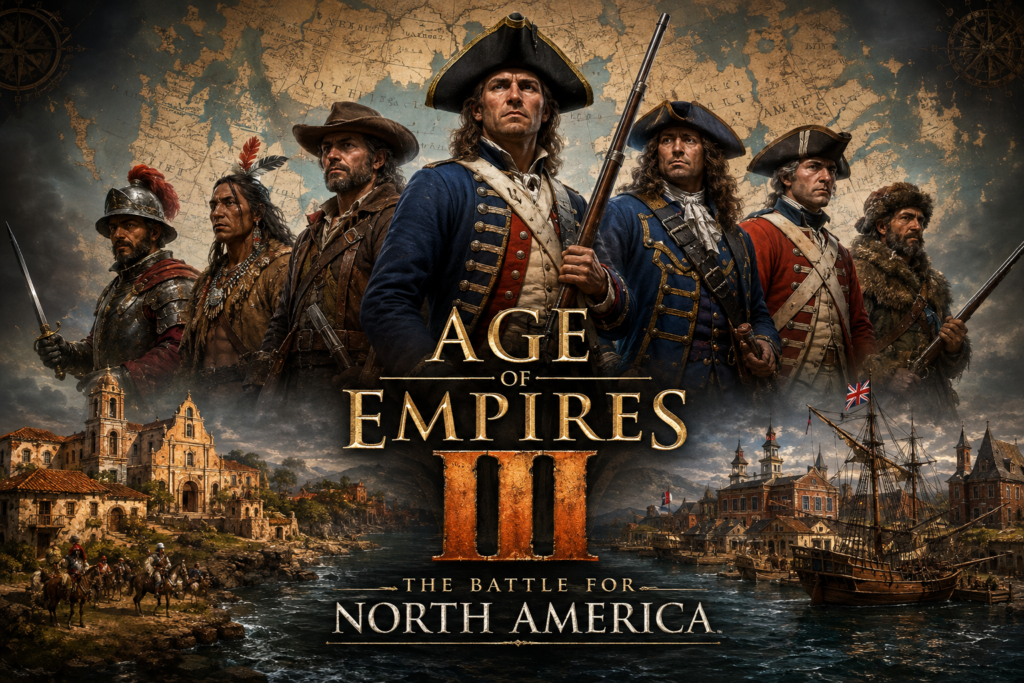
 Age of Empires III in Real Life: How Europe Divided North America If you have played enough Age of Empires III, you know the feeling. Your explorer disappears into the fog of war, settlers begin gathering resources, a Trading Post goes up beside an important route, and then somebody else’s flag appears uncomfortably close to… Read more: Age of Empires III in Real Life
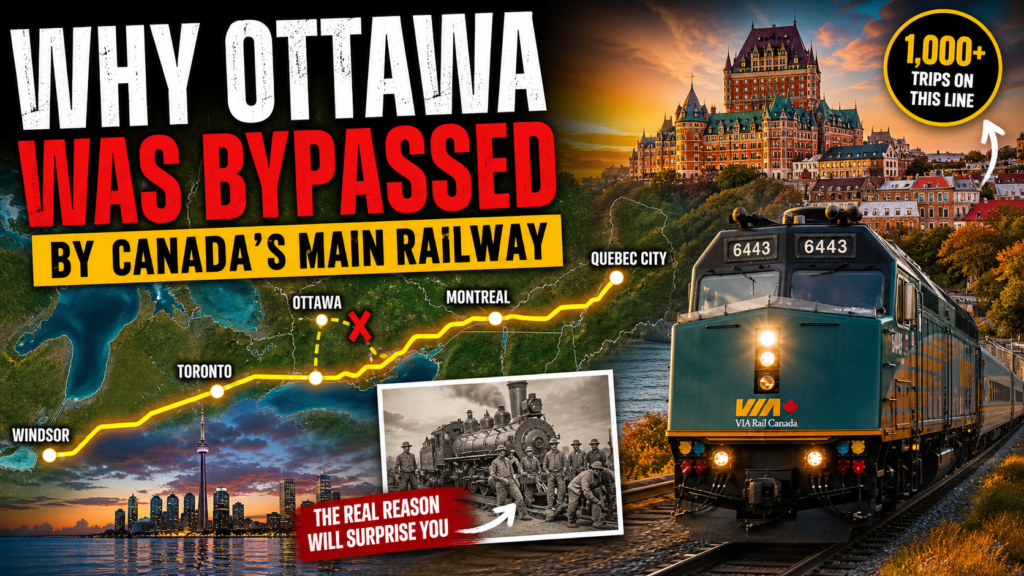
 - 🚆 Why Ottawa Was Bypassed by Canada’s Main Railway🚆 Inside Canada’s Busiest Rail Corridor (A Conductor’s Perspective After 1,000+ Runs Across the Corridor) The Line You Think You Understand… Until You Ride It Enough After a handful of trips, the Windsor–Quebec corridor feels simple. After a few dozen, it feels familiar. But somewhere past a few hundred runs with VIA Rail, the illusion… Read more: 🚆 Why Ottawa Was Bypassed by Canada’s Main Railway
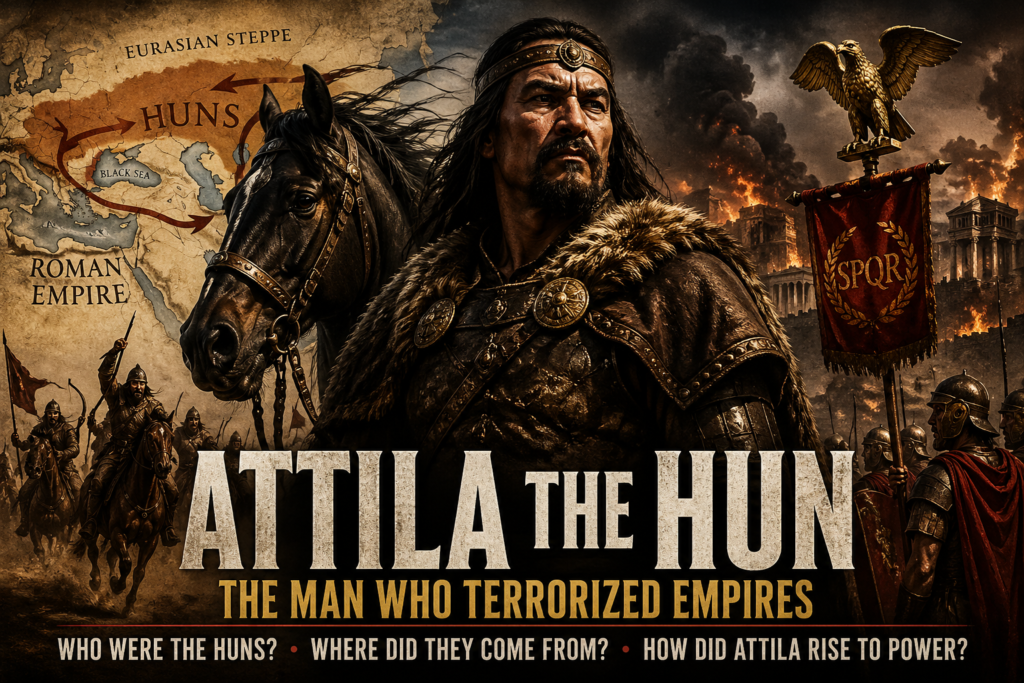
- Who Were the HunsWho Were the Huns and How Did Attila the Hun Rise to Power? The Name That Still Echoes Across History Some historical names fade into textbooks. Others survive as symbols. Attila the Hun belongs firmly in the second category. Even people who know little ancient history often recognize his name as a synonym for destruction,… Read more: Who Were the Huns
- King Arthur, Merlin, Camelot, Lancelot, Boudica, and William Wallace — Resistance, Myth, and the Making of BritainBritain Before the Legend: A Land Shaped by Invasion Britain’s identity was not born in stability. It was forged in resistance. From the Roman invasion in 43 AD to the Anglo-Saxon migrations of the 5th century and the Norman Conquest of 1066, Britain repeatedly faced external domination. Each wave of conquest forced adaptation, rebellion, and… Read more: King Arthur, Merlin, Camelot, Lancelot, Boudica, and William Wallace — Resistance, Myth, and the Making of Britain
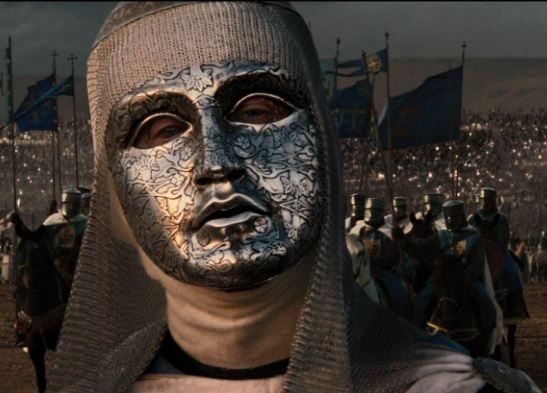
- Baldwin IV of Jerusalem – The Leper King Who Defied an EmpireThe Boy King in a Failing Body Jerusalem in the 12th century was not merely a city — it was the nerve center of faith, politics, and ambition for three continents. Whoever ruled it stood at the crossroads of Europe, Africa, and Asia. Pilgrims flooded its gates. Armies marched toward it. Empires schemed around it.… Read more: Baldwin IV of Jerusalem – The Leper King Who Defied an Empire
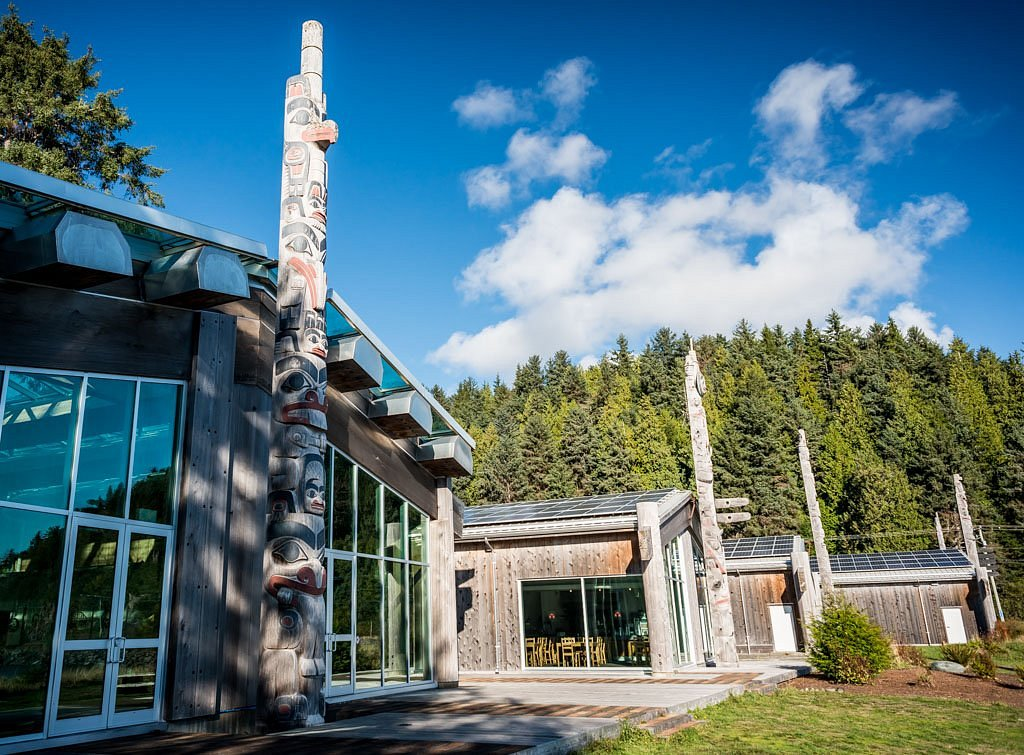
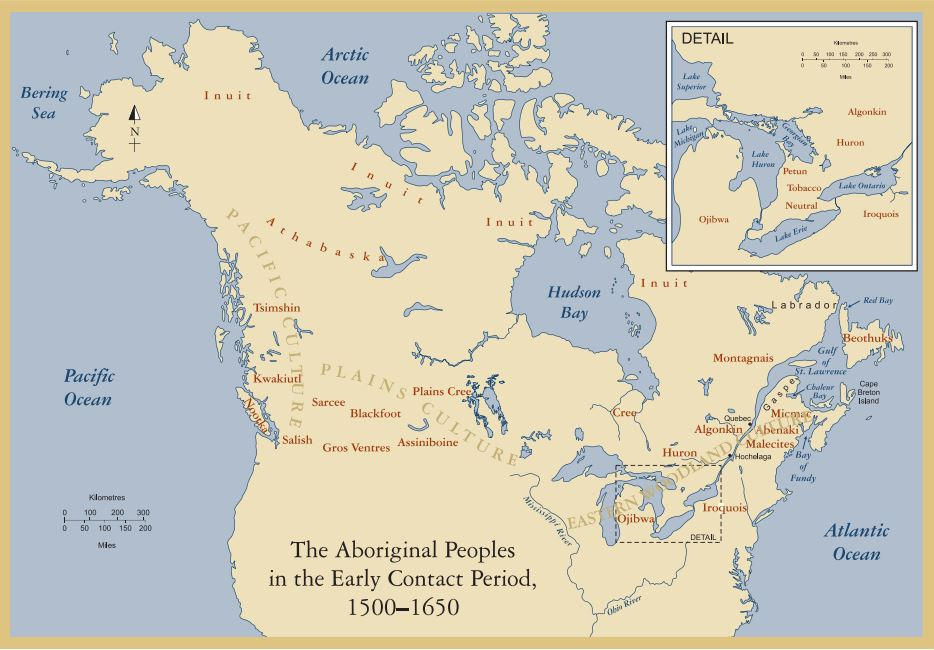
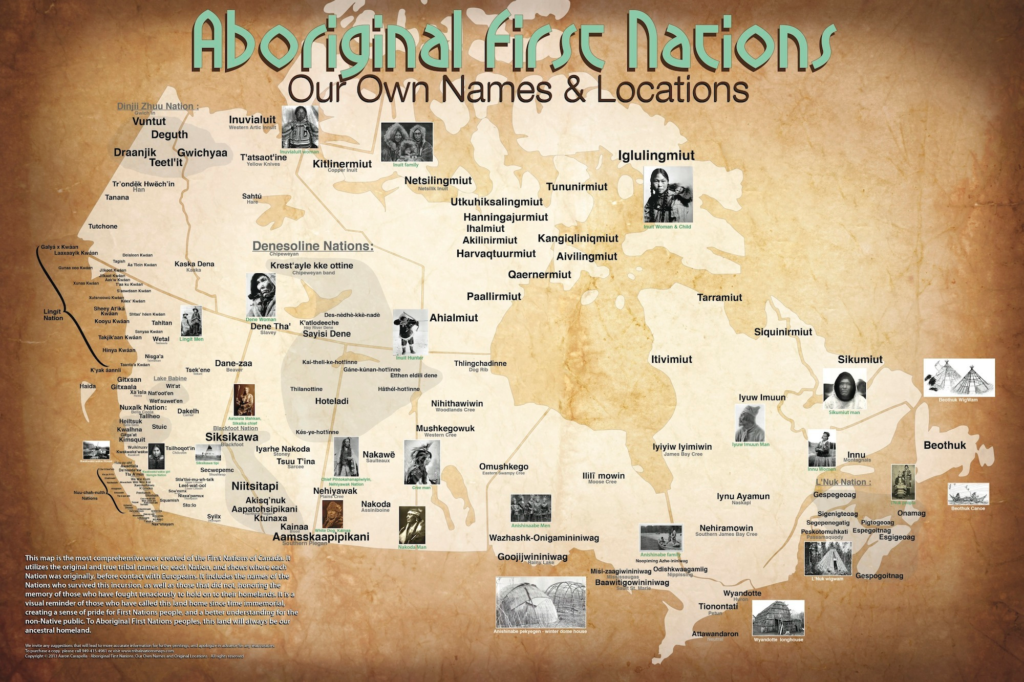
- Part 5 — Indigenous Peoples in Modern Canada: Continuity, Adaptation, and SurvivalIntroduction: Survival Was Never Passive By the middle of the twentieth century, many observers—particularly within government and academia—assumed that Indigenous cultures in Canada were fading remnants of an earlier world. This assumption was not merely mistaken; it fundamentally misunderstood how Indigenous societies function. Indigenous Peoples did not survive because they resisted change entirely. They survived… Read more: Part 5 — Indigenous Peoples in Modern Canada: Continuity, Adaptation, and Survival
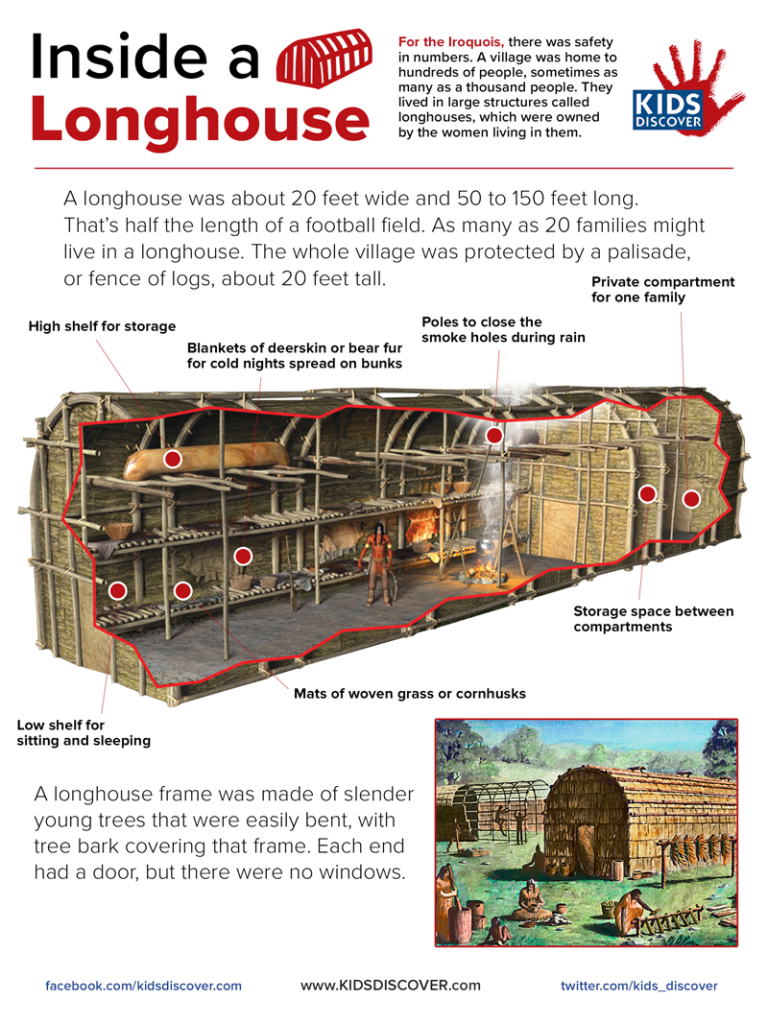
- Part 4 — Indigenous Nations as Societies: How Life Was Lived Before IntegrationIntroduction: Beyond Bloodlines and Percentages When people uncover Indigenous ancestry, the discovery is often framed in numbers: a percentage, a DNA marker, a name on a registry. Yet ancestry is not merely genetic. It is cultural inheritance. It carries with it ways of organizing society, defining excellence, raising children, resolving conflict, and understanding one’s place… Read more: Part 4 — Indigenous Nations as Societies: How Life Was Lived Before Integration
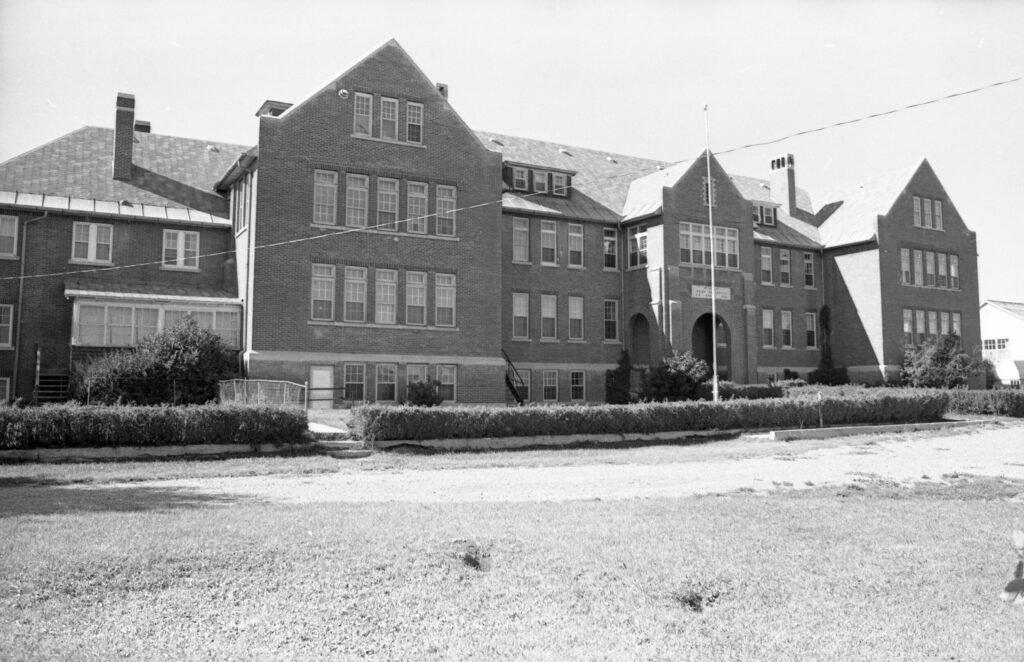
- Part 3 — Treaties and the Indian Act: How Canada Reshaped Indigenous Life (1800–1950)Introduction: From Partners to Subjects By the early nineteenth century, the relationship between Indigenous nations and colonial authorities in what would become Canada had fundamentally changed. The era of military alliance and economic partnership was ending. In its place emerged a new reality—one defined by settler expansion, state authority, and an increasingly centralized colonial government… Read more: Part 3 — Treaties and the Indian Act: How Canada Reshaped Indigenous Life (1800–1950)
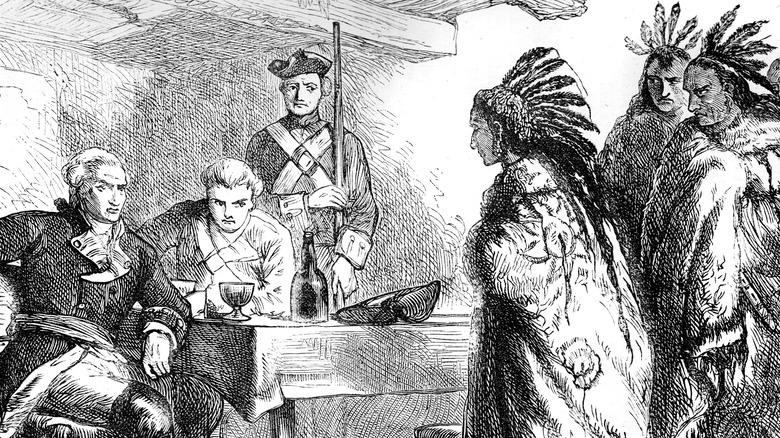
- Part 2 — First Contact and Colonial Entanglement: Trade, Disease, and Alliance (1500–1800)Introduction: Contact Was Not Conquest—At First European arrival in what is now Canada did not begin with conquest, nor with immediate domination. It began with curiosity, dependence, negotiation, and misunderstanding. For nearly three centuries after first contact, Europeans were guests, not rulers—surviving only because Indigenous nations allowed them to. This period, roughly from the early… Read more: Part 2 — First Contact and Colonial Entanglement: Trade, Disease, and Alliance (1500–1800)
- Part 1 – Indigenous Nations and the Making of Canada – Part IIntroduction: A Continent of Nations, Not an Empty Land Long before the word Canada existed, the land stretching from the Atlantic to the Pacific—and deep into the Arctic—was home to a dense, complex, and interconnected world of Indigenous nations. These societies were not primitive precursors to European civilization, nor were they scattered bands merely surviving… Read more: Part 1 – Indigenous Nations and the Making of Canada – Part I
- Canada, Still Standing: A Story of Survival, Sovereignty, and Quiet StrengthIntroduction — Canada, Underestimated by History Canada is often described as quiet, cautious, or polite. But that surface impression hides a much deeper story—one shaped by survival under pressure, long memory, and hard decisions made in difficult places. This series is not a celebration of perfection. It is a record of endurance. From the first… Read more: Canada, Still Standing: A Story of Survival, Sovereignty, and Quiet Strength
- Time Capsule: The Bronze Age — When Civilization First Learned to Organize ItselfThere are moments in human history when everything quietly changes. No single explosion. No clear “before and after.” Just a slow, irreversible shift in how people live, think, trade, and organize themselves. The Bronze Age was one of those moments. Long before modern nations, borders, or even money as we know it, humanity entered a… Read more: Time Capsule: The Bronze Age — When Civilization First Learned to Organize Itself